Colleague spotlight: Introducing Andrew Royal
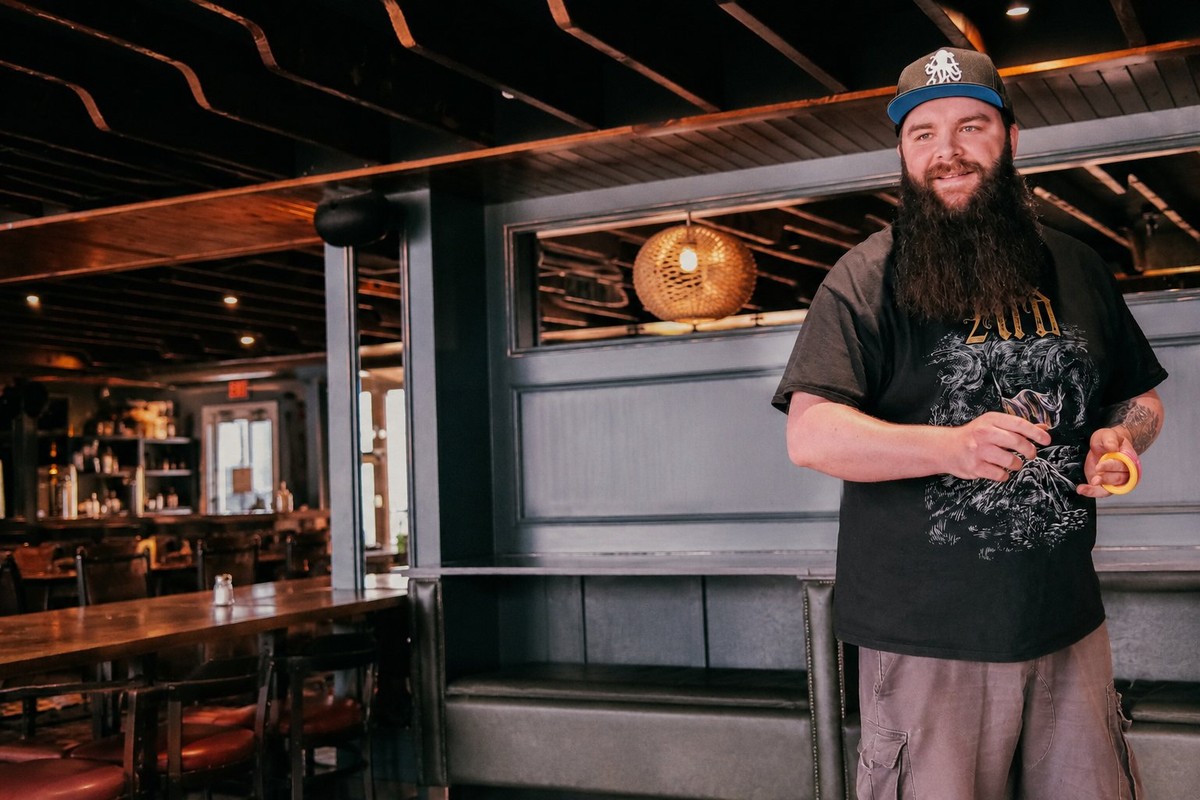


In May’s colleague spotlight, Andrew Royal shares insights into his role as a lead frontend engineer at Leighton. He also reflects on the impact he’s made across customer projects and looks back at some of his favourite memories from his time at the company so far.
I’ve been working on the ‘Manage’ project for the British Airways account for the last eight years. The project focuses on the ancillary services customers can add after booking through the BA.com website, such as luggage, seat selection and meals.
I oversee both the technical direction and delivery of the project, acting as the final sign-off for code reviews and ensuring development standards are met. I’m also heavily involved in the early stages of feature planning, working closely with the product owner and designer to assess feasibility, define scalable solutions and evaluate the impact of proposed changes. A key part of my role is identifying opportunities to improve efficiency and reduce costs, while ultimately delivering a better customer experience and driving increased profitability for the business.
I have been with Leighton for just over eight years. I originally joined because the project I was invited to work on sounded both challenging and exciting, offering responsibility across a broad range of areas while also giving me the opportunity to contribute to one of the busiest pages on the customer’s website. What particularly appealed to me was knowing that the work I would be involved in would be immediately visible to hundreds of thousands of users. As someone working in front-end development, that direct impact is one of the most rewarding aspects of the role. Unlike some areas of backend or architectural development, where improvements can often go unnoticed by end users, front-end work provides the opportunity to create experiences the customers interact with and benefit from every day.
I’ve always found technology interesting. From a young age, I was drawn to computers and enjoyed exploring different ways to create and build online experiences. I first became interested in web development through platforms such as GeoCities and online journaling websites, where I could experiment with creating and customising my own pages and styles. From there, my interest continued to grow. I have always had a creative mindset and enjoy combining creativity with technology to build meaningful and engaging user experiences. Early on, this included learning about accessibility, compliance and the standards for large-scale corporate websites, which helped shape my understanding of delivering high-quality, user-focused digital experiences.
One of the most significant moments in my career was the launch of the Management Booking Hub for British Airways. The project involved a major redesign of the customer portal, and seeing the new experience go live was a big moment. Since launch, the platform has gone on to receive over 15 million views, which made the achievement even more meaningful. It was a milestone not only for me personally, but for the entire team, as it represented the result of a huge collective effort over a long period of time to deliver a high-quality experience at scale.
The problem solving. In the world of development, the immediate challenges of the features you’re building need to be analysed and resolved in a structured, practical way. As my career has progressed, those challenges have evolved beyond implementation details into broader technical strategic decisions and choosing the right solutions while balancing business requirements against timelines and managing the growing number of moving parts across a project. A large part of my role now is ensuring those elements stay aligned so the team can deliver the best possible outcome for the customer.
I’d have to say the ability to communicate details clearly to stakeholders. It’s important that everyone involved understands both what we’re building and why certain decisions are being made. In the same way a product owner translates business requirements for the team, technical leads need to explain development approaches, the trade-offs between different solutions, and the practical considerations involved in delivering the product. That becomes especially important when working with larger or legacy technology stacks, where limitations and constraints often require thoughtful compromises or creative workarounds.
The collaboration between colleagues stands out the most. Across Leighton, there are people with a wide range of expertise working on many different projects, but there’s a genuine openness when it comes to collaboration and knowledge sharing. One of the best things about Leighton is that teams don’t operate in silos, people are always willing to support each other, share ideas and work together to solve problems. There’s a strong collective mindset across the business, with everyone recognising that delivering the best outcomes coms from working collaboratively and supporting one another wherever possible.
Company events where colleagues can get together are always memorable, but one that stands out to me in particular was the “Leighton by the Sea” event last year. With so many of us working remotely across the country, opportunities to connect face to face can be quite rare, which makes those moments even more valuable. It’s always great to catchup in person, strengthen relationships and spend time together outside of the usual day-to-day work environment.
I’d love to deliver an expert talk at a major conference or tech event. I’ve already had the opportunity to run several lunch and learn sessions at Leighton, as well as present to customers and at company-wide events, but I’d really like the chance to speak in a wider industry setting. Developing my public speaking skills has been both rewarding and challenging and it’s an area I’m keen to continue growing in. Being able to share experiences, lessons learned and technical insights with a broader audience is something I can definitely see myself pursuing further in the future.
I have a 2,200-day streak on Duolingo!
I spend a lot of time travelling to different gigs when I can. That’s where a lot of my annual leave goes! Less Than Jake is a firm favourite of mine.
The satisfaction that comes with writing clean, well-structured code and leaving things in a good state for others to work with is something I really value. A significant part of development isn’t just getting something to function correctly, but making sure it’s readable, maintainable and easy for future developers to understand and build upon. That “tidying up” aspect of the job is often overlooked by people outside the industry, but it’s one of the most important parts of producing quality work. Once you know the code works, the final step is refining it to improve clarity, remove complexity and ensure it’st he best piece of work it can be.
Stay curious. Keep experimenting with new things and keep building new things, even if it might not have a wide audience, you’ll learn things along the way and grow as a result.
Don’t be afraid to ask questions. Especially when joining a new team, if you don’t know the answer to something, ask. Every team, project and organisation has its own ways of working, and asking questions is one of the fastest ways to learn and build confidence.

In May’s colleague spotlight, Andrew Royal shares insights into his role as a lead frontend engineer at Leighton. He also reflects on the impact he’s made across customer projects and looks back at some of his favourite memories from his time at the company so far.
I’ve been working on the ‘Manage’ project for the British Airways account for the last eight years. The project focuses on the ancillary services customers can add after booking through the BA.com website, such as luggage, seat selection and meals.
I oversee both the technical direction and delivery of the project, acting as the final sign-off for code reviews and ensuring development standards are met. I’m also heavily involved in the early stages of feature planning, working closely with the product owner and designer to assess feasibility, define scalable solutions and evaluate the impact of proposed changes. A key part of my role is identifying opportunities to improve efficiency and reduce costs, while ultimately delivering a better customer experience and driving increased profitability for the business.
I have been with Leighton for just over eight years. I originally joined because the project I was invited to work on sounded both challenging and exciting, offering responsibility across a broad range of areas while also giving me the opportunity to contribute to one of the busiest pages on the customer’s website. What particularly appealed to me was knowing that the work I would be involved in would be immediately visible to hundreds of thousands of users. As someone working in front-end development, that direct impact is one of the most rewarding aspects of the role. Unlike some areas of backend or architectural development, where improvements can often go unnoticed by end users, front-end work provides the opportunity to create experiences the customers interact with and benefit from every day.
I’ve always found technology interesting. From a young age, I was drawn to computers and enjoyed exploring different ways to create and build online experiences. I first became interested in web development through platforms such as GeoCities and online journaling websites, where I could experiment with creating and customising my own pages and styles. From there, my interest continued to grow. I have always had a creative mindset and enjoy combining creativity with technology to build meaningful and engaging user experiences. Early on, this included learning about accessibility, compliance and the standards for large-scale corporate websites, which helped shape my understanding of delivering high-quality, user-focused digital experiences.
One of the most significant moments in my career was the launch of the Management Booking Hub for British Airways. The project involved a major redesign of the customer portal, and seeing the new experience go live was a big moment. Since launch, the platform has gone on to receive over 15 million views, which made the achievement even more meaningful. It was a milestone not only for me personally, but for the entire team, as it represented the result of a huge collective effort over a long period of time to deliver a high-quality experience at scale.
The problem solving. In the world of development, the immediate challenges of the features you’re building need to be analysed and resolved in a structured, practical way. As my career has progressed, those challenges have evolved beyond implementation details into broader technical strategic decisions and choosing the right solutions while balancing business requirements against timelines and managing the growing number of moving parts across a project. A large part of my role now is ensuring those elements stay aligned so the team can deliver the best possible outcome for the customer.
I’d have to say the ability to communicate details clearly to stakeholders. It’s important that everyone involved understands both what we’re building and why certain decisions are being made. In the same way a product owner translates business requirements for the team, technical leads need to explain development approaches, the trade-offs between different solutions, and the practical considerations involved in delivering the product. That becomes especially important when working with larger or legacy technology stacks, where limitations and constraints often require thoughtful compromises or creative workarounds.
The collaboration between colleagues stands out the most. Across Leighton, there are people with a wide range of expertise working on many different projects, but there’s a genuine openness when it comes to collaboration and knowledge sharing. One of the best things about Leighton is that teams don’t operate in silos, people are always willing to support each other, share ideas and work together to solve problems. There’s a strong collective mindset across the business, with everyone recognising that delivering the best outcomes coms from working collaboratively and supporting one another wherever possible.
Company events where colleagues can get together are always memorable, but one that stands out to me in particular was the “Leighton by the Sea” event last year. With so many of us working remotely across the country, opportunities to connect face to face can be quite rare, which makes those moments even more valuable. It’s always great to catchup in person, strengthen relationships and spend time together outside of the usual day-to-day work environment.
I’d love to deliver an expert talk at a major conference or tech event. I’ve already had the opportunity to run several lunch and learn sessions at Leighton, as well as present to customers and at company-wide events, but I’d really like the chance to speak in a wider industry setting. Developing my public speaking skills has been both rewarding and challenging and it’s an area I’m keen to continue growing in. Being able to share experiences, lessons learned and technical insights with a broader audience is something I can definitely see myself pursuing further in the future.
I have a 2,200-day streak on Duolingo!
I spend a lot of time travelling to different gigs when I can. That’s where a lot of my annual leave goes! Less Than Jake is a firm favourite of mine.
The satisfaction that comes with writing clean, well-structured code and leaving things in a good state for others to work with is something I really value. A significant part of development isn’t just getting something to function correctly, but making sure it’s readable, maintainable and easy for future developers to understand and build upon. That “tidying up” aspect of the job is often overlooked by people outside the industry, but it’s one of the most important parts of producing quality work. Once you know the code works, the final step is refining it to improve clarity, remove complexity and ensure it’st he best piece of work it can be.
Stay curious. Keep experimenting with new things and keep building new things, even if it might not have a wide audience, you’ll learn things along the way and grow as a result.
Don’t be afraid to ask questions. Especially when joining a new team, if you don’t know the answer to something, ask. Every team, project and organisation has its own ways of working, and asking questions is one of the fastest ways to learn and build confidence.
In May’s colleague spotlight, Andrew Royal shares insights into his role as a lead frontend engineer at Leighton. He also reflects on the impact he’s made across customer projects and looks back at some of his favourite memories from his time at the company so far.
I’ve been working on the ‘Manage’ project for the British Airways account for the last eight years. The project focuses on the ancillary services customers can add after booking through the BA.com website, such as luggage, seat selection and meals.
I oversee both the technical direction and delivery of the project, acting as the final sign-off for code reviews and ensuring development standards are met. I’m also heavily involved in the early stages of feature planning, working closely with the product owner and designer to assess feasibility, define scalable solutions and evaluate the impact of proposed changes. A key part of my role is identifying opportunities to improve efficiency and reduce costs, while ultimately delivering a better customer experience and driving increased profitability for the business.
I have been with Leighton for just over eight years. I originally joined because the project I was invited to work on sounded both challenging and exciting, offering responsibility across a broad range of areas while also giving me the opportunity to contribute to one of the busiest pages on the customer’s website. What particularly appealed to me was knowing that the work I would be involved in would be immediately visible to hundreds of thousands of users. As someone working in front-end development, that direct impact is one of the most rewarding aspects of the role. Unlike some areas of backend or architectural development, where improvements can often go unnoticed by end users, front-end work provides the opportunity to create experiences the customers interact with and benefit from every day.
I’ve always found technology interesting. From a young age, I was drawn to computers and enjoyed exploring different ways to create and build online experiences. I first became interested in web development through platforms such as GeoCities and online journaling websites, where I could experiment with creating and customising my own pages and styles. From there, my interest continued to grow. I have always had a creative mindset and enjoy combining creativity with technology to build meaningful and engaging user experiences. Early on, this included learning about accessibility, compliance and the standards for large-scale corporate websites, which helped shape my understanding of delivering high-quality, user-focused digital experiences.
One of the most significant moments in my career was the launch of the Management Booking Hub for British Airways. The project involved a major redesign of the customer portal, and seeing the new experience go live was a big moment. Since launch, the platform has gone on to receive over 15 million views, which made the achievement even more meaningful. It was a milestone not only for me personally, but for the entire team, as it represented the result of a huge collective effort over a long period of time to deliver a high-quality experience at scale.
The problem solving. In the world of development, the immediate challenges of the features you’re building need to be analysed and resolved in a structured, practical way. As my career has progressed, those challenges have evolved beyond implementation details into broader technical strategic decisions and choosing the right solutions while balancing business requirements against timelines and managing the growing number of moving parts across a project. A large part of my role now is ensuring those elements stay aligned so the team can deliver the best possible outcome for the customer.
I’d have to say the ability to communicate details clearly to stakeholders. It’s important that everyone involved understands both what we’re building and why certain decisions are being made. In the same way a product owner translates business requirements for the team, technical leads need to explain development approaches, the trade-offs between different solutions, and the practical considerations involved in delivering the product. That becomes especially important when working with larger or legacy technology stacks, where limitations and constraints often require thoughtful compromises or creative workarounds.
The collaboration between colleagues stands out the most. Across Leighton, there are people with a wide range of expertise working on many different projects, but there’s a genuine openness when it comes to collaboration and knowledge sharing. One of the best things about Leighton is that teams don’t operate in silos, people are always willing to support each other, share ideas and work together to solve problems. There’s a strong collective mindset across the business, with everyone recognising that delivering the best outcomes coms from working collaboratively and supporting one another wherever possible.
Company events where colleagues can get together are always memorable, but one that stands out to me in particular was the “Leighton by the Sea” event last year. With so many of us working remotely across the country, opportunities to connect face to face can be quite rare, which makes those moments even more valuable. It’s always great to catchup in person, strengthen relationships and spend time together outside of the usual day-to-day work environment.
I’d love to deliver an expert talk at a major conference or tech event. I’ve already had the opportunity to run several lunch and learn sessions at Leighton, as well as present to customers and at company-wide events, but I’d really like the chance to speak in a wider industry setting. Developing my public speaking skills has been both rewarding and challenging and it’s an area I’m keen to continue growing in. Being able to share experiences, lessons learned and technical insights with a broader audience is something I can definitely see myself pursuing further in the future.
I have a 2,200-day streak on Duolingo!
I spend a lot of time travelling to different gigs when I can. That’s where a lot of my annual leave goes! Less Than Jake is a firm favourite of mine.
The satisfaction that comes with writing clean, well-structured code and leaving things in a good state for others to work with is something I really value. A significant part of development isn’t just getting something to function correctly, but making sure it’s readable, maintainable and easy for future developers to understand and build upon. That “tidying up” aspect of the job is often overlooked by people outside the industry, but it’s one of the most important parts of producing quality work. Once you know the code works, the final step is refining it to improve clarity, remove complexity and ensure it’st he best piece of work it can be.
Stay curious. Keep experimenting with new things and keep building new things, even if it might not have a wide audience, you’ll learn things along the way and grow as a result.
Don’t be afraid to ask questions. Especially when joining a new team, if you don’t know the answer to something, ask. Every team, project and organisation has its own ways of working, and asking questions is one of the fastest ways to learn and build confidence.
In May’s colleague spotlight, Andrew Royal shares insights into his role as a lead frontend engineer at Leighton. He also reflects on the impact he’s made across customer projects and looks back at some of his favourite memories from his time at the company so far.
I’ve been working on the ‘Manage’ project for the British Airways account for the last eight years. The project focuses on the ancillary services customers can add after booking through the BA.com website, such as luggage, seat selection and meals.
I oversee both the technical direction and delivery of the project, acting as the final sign-off for code reviews and ensuring development standards are met. I’m also heavily involved in the early stages of feature planning, working closely with the product owner and designer to assess feasibility, define scalable solutions and evaluate the impact of proposed changes. A key part of my role is identifying opportunities to improve efficiency and reduce costs, while ultimately delivering a better customer experience and driving increased profitability for the business.
I have been with Leighton for just over eight years. I originally joined because the project I was invited to work on sounded both challenging and exciting, offering responsibility across a broad range of areas while also giving me the opportunity to contribute to one of the busiest pages on the customer’s website. What particularly appealed to me was knowing that the work I would be involved in would be immediately visible to hundreds of thousands of users. As someone working in front-end development, that direct impact is one of the most rewarding aspects of the role. Unlike some areas of backend or architectural development, where improvements can often go unnoticed by end users, front-end work provides the opportunity to create experiences the customers interact with and benefit from every day.
I’ve always found technology interesting. From a young age, I was drawn to computers and enjoyed exploring different ways to create and build online experiences. I first became interested in web development through platforms such as GeoCities and online journaling websites, where I could experiment with creating and customising my own pages and styles. From there, my interest continued to grow. I have always had a creative mindset and enjoy combining creativity with technology to build meaningful and engaging user experiences. Early on, this included learning about accessibility, compliance and the standards for large-scale corporate websites, which helped shape my understanding of delivering high-quality, user-focused digital experiences.
One of the most significant moments in my career was the launch of the Management Booking Hub for British Airways. The project involved a major redesign of the customer portal, and seeing the new experience go live was a big moment. Since launch, the platform has gone on to receive over 15 million views, which made the achievement even more meaningful. It was a milestone not only for me personally, but for the entire team, as it represented the result of a huge collective effort over a long period of time to deliver a high-quality experience at scale.
The problem solving. In the world of development, the immediate challenges of the features you’re building need to be analysed and resolved in a structured, practical way. As my career has progressed, those challenges have evolved beyond implementation details into broader technical strategic decisions and choosing the right solutions while balancing business requirements against timelines and managing the growing number of moving parts across a project. A large part of my role now is ensuring those elements stay aligned so the team can deliver the best possible outcome for the customer.
I’d have to say the ability to communicate details clearly to stakeholders. It’s important that everyone involved understands both what we’re building and why certain decisions are being made. In the same way a product owner translates business requirements for the team, technical leads need to explain development approaches, the trade-offs between different solutions, and the practical considerations involved in delivering the product. That becomes especially important when working with larger or legacy technology stacks, where limitations and constraints often require thoughtful compromises or creative workarounds.
The collaboration between colleagues stands out the most. Across Leighton, there are people with a wide range of expertise working on many different projects, but there’s a genuine openness when it comes to collaboration and knowledge sharing. One of the best things about Leighton is that teams don’t operate in silos, people are always willing to support each other, share ideas and work together to solve problems. There’s a strong collective mindset across the business, with everyone recognising that delivering the best outcomes coms from working collaboratively and supporting one another wherever possible.
Company events where colleagues can get together are always memorable, but one that stands out to me in particular was the “Leighton by the Sea” event last year. With so many of us working remotely across the country, opportunities to connect face to face can be quite rare, which makes those moments even more valuable. It’s always great to catchup in person, strengthen relationships and spend time together outside of the usual day-to-day work environment.
I’d love to deliver an expert talk at a major conference or tech event. I’ve already had the opportunity to run several lunch and learn sessions at Leighton, as well as present to customers and at company-wide events, but I’d really like the chance to speak in a wider industry setting. Developing my public speaking skills has been both rewarding and challenging and it’s an area I’m keen to continue growing in. Being able to share experiences, lessons learned and technical insights with a broader audience is something I can definitely see myself pursuing further in the future.
I have a 2,200-day streak on Duolingo!
I spend a lot of time travelling to different gigs when I can. That’s where a lot of my annual leave goes! Less Than Jake is a firm favourite of mine.
The satisfaction that comes with writing clean, well-structured code and leaving things in a good state for others to work with is something I really value. A significant part of development isn’t just getting something to function correctly, but making sure it’s readable, maintainable and easy for future developers to understand and build upon. That “tidying up” aspect of the job is often overlooked by people outside the industry, but it’s one of the most important parts of producing quality work. Once you know the code works, the final step is refining it to improve clarity, remove complexity and ensure it’st he best piece of work it can be.
Stay curious. Keep experimenting with new things and keep building new things, even if it might not have a wide audience, you’ll learn things along the way and grow as a result.
Don’t be afraid to ask questions. Especially when joining a new team, if you don’t know the answer to something, ask. Every team, project and organisation has its own ways of working, and asking questions is one of the fastest ways to learn and build confidence.