Discovery without search: How customer journeys are fragmenting




The path that customers take to purchase is becoming less predictable. For years, ecommerce strategies were built around a relatively well-understood customer journey. A user searched for a product, compared a handful of options, landed on a website and converted. Search engines sat at the centre of discovery, while performance marketing teams focused heavily on capturing intent at the point of demand.
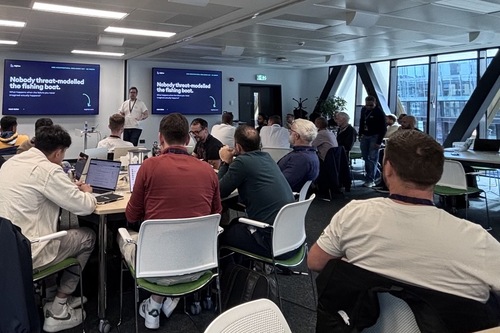
However, that model is becoming increasingly fragmented. At Manchester Digital’s MD Ecom 2026, one of the clearest themes to emerge was the growing complexity of customer discovery. Search still matters, significantly, but it is no longer the sole gateway between brands and consumers. Discovery is now happening across social platforms, community forums, video content, recommendation engines and increasingly, AI-driven interfaces.
For ecommerce brands, this changes not only how demand is created and converted, but also how it is measured, personalised and operationalised behind the scenes.
Consumers are no longer moving through linear journeys. A product discovery journey might begin on TikTok, continue through Reddit discussions, be validated through YouTube reviews and ultimately convert via branded search or direct traffic days later. Increasingly, users are also turning to AI tools to compare products, ask for recommendations and refine their options before ever reaching a retailer’s website.
This means discovery is becoming more passive, algorithmic and interest-led.
For brands, that shift has major implications. Historically, ecommerce strategies have been optimised around moments of explicit demand. Someone searches for “running shoes” or “best office chair”, and brands compete to appear at the point of intent.
Today, demand is often created before the customer actively searches. AI-powered recommendation engines, social algorithms and personalised feeds are shaping what consumers see, when they see it and how products are positioned. Increasingly, purchasing decisions are influenced by behavioural data, engagement patterns, previous purchases, community interactions and predictive models rather than direct search queries.
That creates both opportunity and pressure for ecommerce businesses. Brands now need the technical capability to process customer signals in real time, unify data across channels and deliver experiences that adapt dynamically to changing user behaviour.
Without that infrastructure in place, it becomes difficult to compete in environments where discovery is driven by speed, relevance and personalisation.
While much of the conversation around changing customer journeys focuses on marketing channels, the underlying technology stack is just as important.
Many ecommerce organisations are now dealing with increasingly fragmented ecosystems made up of ecommerce platforms, CRMs, marketing automation tools, analytics platforms, loyalty systems, search technologies and AI tooling. In many cases, these systems have evolved incrementally over time, creating disconnected data sets and operational silos.
The challenge is that modern discovery depends on connected data. Recommendation engines, AI-powered search, dynamic merchandising and personalised customer experiences all rely on accurate, accessible and well-structured data flowing consistently across the organisation, not just content.
If product information is inconsistent, customer profiles are fragmented or behavioural data is delayed, the customer experience quickly deteriorates. AI models become less effective, recommendations lose relevance and attribution becomes increasingly unreliable.
Several discussions at the event highlighted the growing importance of building flexible digital architectures that can support experimentation, rapid integration and real-time data exchange. For many organisations, that means moving away from heavily coupled legacy systems that were never designed for today’s pace of change.
As customer journeys become more distributed, businesses need infrastructure that allows them to respond quickly to new channels, technologies and consumer behaviours without rebuilding entire platforms every time the market shifts.
Despite the attention surrounding AI-powered discovery, there was broad agreement across the event that traditional search is far from dead.
Google still drives substantial volumes of traffic and conversion for ecommerce businesses. Content, SEO and search intent remain fundamental. However, search is increasingly becoming just one layer within a much broader discovery ecosystem.
What is changing is the way customers interact with search itself. Instead of entering simple keyword queries, users are beginning to ask more complex questions through AI interfaces, conversational search tools and recommendation-driven experiences.
This evolution is forcing brands to rethink both content strategy and technical architecture. Traditional SEO approaches focused heavily on keyword optimisation and ranking visibility. Increasingly, organisations also need to consider how their product data, content structures and knowledge sources can be surfaced effectively through AI-driven systems. This is no longer simply a marketing challenge. It is a platform and data challenge.
One of the most practical discussions across the conference centred around measurement. As customer journeys fragment, visibility decreases.
Performance marketing teams are now attempting to understand interactions that span multiple channels, devices and platforms, many of which intentionally limit data transparency. Platforms increasingly operate within closed ecosystems, while AI-driven discovery introduces another layer of opacity around how products are surfaced and recommended.
This creates a growing challenge for brands attempting to understand what is genuinely driving performance. Traditional attribution models were designed around more linear customer journeys. The reality is that many existing environments were not built to stitch together journeys of that complexity.
Several speakers highlighted the importance of strengthening first-party data capabilities, improving transaction-level tracking and building more sophisticated measurement frameworks that combine multiple tools rather than relying on a single source of truth. However, all of that requires solid technical infrastructure that can keep up as teams innovate at pace. Outdated, legacy infrastructures will quickly become a block as teams try to adapt.
While discovery is decentralising, the role of owned experiences remains critical. Several discussions explored the risk of becoming overly dependent on third-party platforms for customer acquisition and discovery. As AI-driven commerce evolves, brands risk losing visibility into customer intent, behaviour and preferences if interactions increasingly happen within external environments.
This is why many brands are now exploring ways to bring more personalised and conversational experiences directly onto their own websites. AI-powered product discovery, conversational search and recommendation experiences are increasingly being positioned not just as support tools, but as mechanisms for retaining customer relationships and insight. In a fragmented landscape, owned experiences become even more valuable.
The website is no longer simply a transactional endpoint. Increasingly, it is becoming the central hub for first-party data collection, customer insight generation, personalised engagement, AI-driven experiences, brand differentiation and even experimentation and optimisation. This means it is critical that companies continue to invest in their platforms ensure they have solid foundations to build from.
The fragmentation of discovery is not a temporary shift. It reflects a broader transformation in how consumers engage with digital experiences.
As AI, personalisation and distributed discovery continue to evolve, ecommerce businesses will need to think beyond individual channels and focus more heavily on the underlying capabilities that enable adaptability.
That means investing not only in marketing and acquisition, but also in modern digital architecture, connected data ecosystems, scalable infrastructure, AI readiness, real-time personalisation capabilities and flexible ecommerce platforms.
The organisations that succeed will likely be those that can combine strong customer experiences with the operational and technical foundations needed to evolve quickly.
At Leighton, we help organisations design and deliver connected digital experiences that are built for how modern customers actually discover, engage and convert. From scalable ecommerce platforms and AI-enabled customer experiences to data infrastructure and performance optimisation, the focus is always on creating measurable commercial impact.
If you’re exploring how AI, customer experience and platform architecture fit into your ecommerce strategy, we’d love to hear from you at hello@leighton.com.

The path that customers take to purchase is becoming less predictable. For years, ecommerce strategies were built around a relatively well-understood customer journey. A user searched for a product, compared a handful of options, landed on a website and converted. Search engines sat at the centre of discovery, while performance marketing teams focused heavily on capturing intent at the point of demand.
However, that model is becoming increasingly fragmented. At Manchester Digital’s MD Ecom 2026, one of the clearest themes to emerge was the growing complexity of customer discovery. Search still matters, significantly, but it is no longer the sole gateway between brands and consumers. Discovery is now happening across social platforms, community forums, video content, recommendation engines and increasingly, AI-driven interfaces.
For ecommerce brands, this changes not only how demand is created and converted, but also how it is measured, personalised and operationalised behind the scenes.
Consumers are no longer moving through linear journeys. A product discovery journey might begin on TikTok, continue through Reddit discussions, be validated through YouTube reviews and ultimately convert via branded search or direct traffic days later. Increasingly, users are also turning to AI tools to compare products, ask for recommendations and refine their options before ever reaching a retailer’s website.
This means discovery is becoming more passive, algorithmic and interest-led.
For brands, that shift has major implications. Historically, ecommerce strategies have been optimised around moments of explicit demand. Someone searches for “running shoes” or “best office chair”, and brands compete to appear at the point of intent.
Today, demand is often created before the customer actively searches. AI-powered recommendation engines, social algorithms and personalised feeds are shaping what consumers see, when they see it and how products are positioned. Increasingly, purchasing decisions are influenced by behavioural data, engagement patterns, previous purchases, community interactions and predictive models rather than direct search queries.
That creates both opportunity and pressure for ecommerce businesses. Brands now need the technical capability to process customer signals in real time, unify data across channels and deliver experiences that adapt dynamically to changing user behaviour.
Without that infrastructure in place, it becomes difficult to compete in environments where discovery is driven by speed, relevance and personalisation.
While much of the conversation around changing customer journeys focuses on marketing channels, the underlying technology stack is just as important.
Many ecommerce organisations are now dealing with increasingly fragmented ecosystems made up of ecommerce platforms, CRMs, marketing automation tools, analytics platforms, loyalty systems, search technologies and AI tooling. In many cases, these systems have evolved incrementally over time, creating disconnected data sets and operational silos.
The challenge is that modern discovery depends on connected data. Recommendation engines, AI-powered search, dynamic merchandising and personalised customer experiences all rely on accurate, accessible and well-structured data flowing consistently across the organisation, not just content.
If product information is inconsistent, customer profiles are fragmented or behavioural data is delayed, the customer experience quickly deteriorates. AI models become less effective, recommendations lose relevance and attribution becomes increasingly unreliable.
Several discussions at the event highlighted the growing importance of building flexible digital architectures that can support experimentation, rapid integration and real-time data exchange. For many organisations, that means moving away from heavily coupled legacy systems that were never designed for today’s pace of change.
As customer journeys become more distributed, businesses need infrastructure that allows them to respond quickly to new channels, technologies and consumer behaviours without rebuilding entire platforms every time the market shifts.
Despite the attention surrounding AI-powered discovery, there was broad agreement across the event that traditional search is far from dead.
Google still drives substantial volumes of traffic and conversion for ecommerce businesses. Content, SEO and search intent remain fundamental. However, search is increasingly becoming just one layer within a much broader discovery ecosystem.
What is changing is the way customers interact with search itself. Instead of entering simple keyword queries, users are beginning to ask more complex questions through AI interfaces, conversational search tools and recommendation-driven experiences.
This evolution is forcing brands to rethink both content strategy and technical architecture. Traditional SEO approaches focused heavily on keyword optimisation and ranking visibility. Increasingly, organisations also need to consider how their product data, content structures and knowledge sources can be surfaced effectively through AI-driven systems. This is no longer simply a marketing challenge. It is a platform and data challenge.
One of the most practical discussions across the conference centred around measurement. As customer journeys fragment, visibility decreases.
Performance marketing teams are now attempting to understand interactions that span multiple channels, devices and platforms, many of which intentionally limit data transparency. Platforms increasingly operate within closed ecosystems, while AI-driven discovery introduces another layer of opacity around how products are surfaced and recommended.
This creates a growing challenge for brands attempting to understand what is genuinely driving performance. Traditional attribution models were designed around more linear customer journeys. The reality is that many existing environments were not built to stitch together journeys of that complexity.
Several speakers highlighted the importance of strengthening first-party data capabilities, improving transaction-level tracking and building more sophisticated measurement frameworks that combine multiple tools rather than relying on a single source of truth. However, all of that requires solid technical infrastructure that can keep up as teams innovate at pace. Outdated, legacy infrastructures will quickly become a block as teams try to adapt.
While discovery is decentralising, the role of owned experiences remains critical. Several discussions explored the risk of becoming overly dependent on third-party platforms for customer acquisition and discovery. As AI-driven commerce evolves, brands risk losing visibility into customer intent, behaviour and preferences if interactions increasingly happen within external environments.
This is why many brands are now exploring ways to bring more personalised and conversational experiences directly onto their own websites. AI-powered product discovery, conversational search and recommendation experiences are increasingly being positioned not just as support tools, but as mechanisms for retaining customer relationships and insight. In a fragmented landscape, owned experiences become even more valuable.
The website is no longer simply a transactional endpoint. Increasingly, it is becoming the central hub for first-party data collection, customer insight generation, personalised engagement, AI-driven experiences, brand differentiation and even experimentation and optimisation. This means it is critical that companies continue to invest in their platforms ensure they have solid foundations to build from.
The fragmentation of discovery is not a temporary shift. It reflects a broader transformation in how consumers engage with digital experiences.
As AI, personalisation and distributed discovery continue to evolve, ecommerce businesses will need to think beyond individual channels and focus more heavily on the underlying capabilities that enable adaptability.
That means investing not only in marketing and acquisition, but also in modern digital architecture, connected data ecosystems, scalable infrastructure, AI readiness, real-time personalisation capabilities and flexible ecommerce platforms.
The organisations that succeed will likely be those that can combine strong customer experiences with the operational and technical foundations needed to evolve quickly.
At Leighton, we help organisations design and deliver connected digital experiences that are built for how modern customers actually discover, engage and convert. From scalable ecommerce platforms and AI-enabled customer experiences to data infrastructure and performance optimisation, the focus is always on creating measurable commercial impact.
If you’re exploring how AI, customer experience and platform architecture fit into your ecommerce strategy, we’d love to hear from you at hello@leighton.com.
The path that customers take to purchase is becoming less predictable. For years, ecommerce strategies were built around a relatively well-understood customer journey. A user searched for a product, compared a handful of options, landed on a website and converted. Search engines sat at the centre of discovery, while performance marketing teams focused heavily on capturing intent at the point of demand.
However, that model is becoming increasingly fragmented. At Manchester Digital’s MD Ecom 2026, one of the clearest themes to emerge was the growing complexity of customer discovery. Search still matters, significantly, but it is no longer the sole gateway between brands and consumers. Discovery is now happening across social platforms, community forums, video content, recommendation engines and increasingly, AI-driven interfaces.
For ecommerce brands, this changes not only how demand is created and converted, but also how it is measured, personalised and operationalised behind the scenes.
Consumers are no longer moving through linear journeys. A product discovery journey might begin on TikTok, continue through Reddit discussions, be validated through YouTube reviews and ultimately convert via branded search or direct traffic days later. Increasingly, users are also turning to AI tools to compare products, ask for recommendations and refine their options before ever reaching a retailer’s website.
This means discovery is becoming more passive, algorithmic and interest-led.
For brands, that shift has major implications. Historically, ecommerce strategies have been optimised around moments of explicit demand. Someone searches for “running shoes” or “best office chair”, and brands compete to appear at the point of intent.
Today, demand is often created before the customer actively searches. AI-powered recommendation engines, social algorithms and personalised feeds are shaping what consumers see, when they see it and how products are positioned. Increasingly, purchasing decisions are influenced by behavioural data, engagement patterns, previous purchases, community interactions and predictive models rather than direct search queries.
That creates both opportunity and pressure for ecommerce businesses. Brands now need the technical capability to process customer signals in real time, unify data across channels and deliver experiences that adapt dynamically to changing user behaviour.
Without that infrastructure in place, it becomes difficult to compete in environments where discovery is driven by speed, relevance and personalisation.
While much of the conversation around changing customer journeys focuses on marketing channels, the underlying technology stack is just as important.
Many ecommerce organisations are now dealing with increasingly fragmented ecosystems made up of ecommerce platforms, CRMs, marketing automation tools, analytics platforms, loyalty systems, search technologies and AI tooling. In many cases, these systems have evolved incrementally over time, creating disconnected data sets and operational silos.
The challenge is that modern discovery depends on connected data. Recommendation engines, AI-powered search, dynamic merchandising and personalised customer experiences all rely on accurate, accessible and well-structured data flowing consistently across the organisation, not just content.
If product information is inconsistent, customer profiles are fragmented or behavioural data is delayed, the customer experience quickly deteriorates. AI models become less effective, recommendations lose relevance and attribution becomes increasingly unreliable.
Several discussions at the event highlighted the growing importance of building flexible digital architectures that can support experimentation, rapid integration and real-time data exchange. For many organisations, that means moving away from heavily coupled legacy systems that were never designed for today’s pace of change.
As customer journeys become more distributed, businesses need infrastructure that allows them to respond quickly to new channels, technologies and consumer behaviours without rebuilding entire platforms every time the market shifts.
Despite the attention surrounding AI-powered discovery, there was broad agreement across the event that traditional search is far from dead.
Google still drives substantial volumes of traffic and conversion for ecommerce businesses. Content, SEO and search intent remain fundamental. However, search is increasingly becoming just one layer within a much broader discovery ecosystem.
What is changing is the way customers interact with search itself. Instead of entering simple keyword queries, users are beginning to ask more complex questions through AI interfaces, conversational search tools and recommendation-driven experiences.
This evolution is forcing brands to rethink both content strategy and technical architecture. Traditional SEO approaches focused heavily on keyword optimisation and ranking visibility. Increasingly, organisations also need to consider how their product data, content structures and knowledge sources can be surfaced effectively through AI-driven systems. This is no longer simply a marketing challenge. It is a platform and data challenge.
One of the most practical discussions across the conference centred around measurement. As customer journeys fragment, visibility decreases.
Performance marketing teams are now attempting to understand interactions that span multiple channels, devices and platforms, many of which intentionally limit data transparency. Platforms increasingly operate within closed ecosystems, while AI-driven discovery introduces another layer of opacity around how products are surfaced and recommended.
This creates a growing challenge for brands attempting to understand what is genuinely driving performance. Traditional attribution models were designed around more linear customer journeys. The reality is that many existing environments were not built to stitch together journeys of that complexity.
Several speakers highlighted the importance of strengthening first-party data capabilities, improving transaction-level tracking and building more sophisticated measurement frameworks that combine multiple tools rather than relying on a single source of truth. However, all of that requires solid technical infrastructure that can keep up as teams innovate at pace. Outdated, legacy infrastructures will quickly become a block as teams try to adapt.
While discovery is decentralising, the role of owned experiences remains critical. Several discussions explored the risk of becoming overly dependent on third-party platforms for customer acquisition and discovery. As AI-driven commerce evolves, brands risk losing visibility into customer intent, behaviour and preferences if interactions increasingly happen within external environments.
This is why many brands are now exploring ways to bring more personalised and conversational experiences directly onto their own websites. AI-powered product discovery, conversational search and recommendation experiences are increasingly being positioned not just as support tools, but as mechanisms for retaining customer relationships and insight. In a fragmented landscape, owned experiences become even more valuable.
The website is no longer simply a transactional endpoint. Increasingly, it is becoming the central hub for first-party data collection, customer insight generation, personalised engagement, AI-driven experiences, brand differentiation and even experimentation and optimisation. This means it is critical that companies continue to invest in their platforms ensure they have solid foundations to build from.
The fragmentation of discovery is not a temporary shift. It reflects a broader transformation in how consumers engage with digital experiences.
As AI, personalisation and distributed discovery continue to evolve, ecommerce businesses will need to think beyond individual channels and focus more heavily on the underlying capabilities that enable adaptability.
That means investing not only in marketing and acquisition, but also in modern digital architecture, connected data ecosystems, scalable infrastructure, AI readiness, real-time personalisation capabilities and flexible ecommerce platforms.
The organisations that succeed will likely be those that can combine strong customer experiences with the operational and technical foundations needed to evolve quickly.
At Leighton, we help organisations design and deliver connected digital experiences that are built for how modern customers actually discover, engage and convert. From scalable ecommerce platforms and AI-enabled customer experiences to data infrastructure and performance optimisation, the focus is always on creating measurable commercial impact.
If you’re exploring how AI, customer experience and platform architecture fit into your ecommerce strategy, we’d love to hear from you at hello@leighton.com.
The path that customers take to purchase is becoming less predictable. For years, ecommerce strategies were built around a relatively well-understood customer journey. A user searched for a product, compared a handful of options, landed on a website and converted. Search engines sat at the centre of discovery, while performance marketing teams focused heavily on capturing intent at the point of demand.
However, that model is becoming increasingly fragmented. At Manchester Digital’s MD Ecom 2026, one of the clearest themes to emerge was the growing complexity of customer discovery. Search still matters, significantly, but it is no longer the sole gateway between brands and consumers. Discovery is now happening across social platforms, community forums, video content, recommendation engines and increasingly, AI-driven interfaces.
For ecommerce brands, this changes not only how demand is created and converted, but also how it is measured, personalised and operationalised behind the scenes.
Consumers are no longer moving through linear journeys. A product discovery journey might begin on TikTok, continue through Reddit discussions, be validated through YouTube reviews and ultimately convert via branded search or direct traffic days later. Increasingly, users are also turning to AI tools to compare products, ask for recommendations and refine their options before ever reaching a retailer’s website.
This means discovery is becoming more passive, algorithmic and interest-led.
For brands, that shift has major implications. Historically, ecommerce strategies have been optimised around moments of explicit demand. Someone searches for “running shoes” or “best office chair”, and brands compete to appear at the point of intent.
Today, demand is often created before the customer actively searches. AI-powered recommendation engines, social algorithms and personalised feeds are shaping what consumers see, when they see it and how products are positioned. Increasingly, purchasing decisions are influenced by behavioural data, engagement patterns, previous purchases, community interactions and predictive models rather than direct search queries.
That creates both opportunity and pressure for ecommerce businesses. Brands now need the technical capability to process customer signals in real time, unify data across channels and deliver experiences that adapt dynamically to changing user behaviour.
Without that infrastructure in place, it becomes difficult to compete in environments where discovery is driven by speed, relevance and personalisation.
While much of the conversation around changing customer journeys focuses on marketing channels, the underlying technology stack is just as important.
Many ecommerce organisations are now dealing with increasingly fragmented ecosystems made up of ecommerce platforms, CRMs, marketing automation tools, analytics platforms, loyalty systems, search technologies and AI tooling. In many cases, these systems have evolved incrementally over time, creating disconnected data sets and operational silos.
The challenge is that modern discovery depends on connected data. Recommendation engines, AI-powered search, dynamic merchandising and personalised customer experiences all rely on accurate, accessible and well-structured data flowing consistently across the organisation, not just content.
If product information is inconsistent, customer profiles are fragmented or behavioural data is delayed, the customer experience quickly deteriorates. AI models become less effective, recommendations lose relevance and attribution becomes increasingly unreliable.
Several discussions at the event highlighted the growing importance of building flexible digital architectures that can support experimentation, rapid integration and real-time data exchange. For many organisations, that means moving away from heavily coupled legacy systems that were never designed for today’s pace of change.
As customer journeys become more distributed, businesses need infrastructure that allows them to respond quickly to new channels, technologies and consumer behaviours without rebuilding entire platforms every time the market shifts.
Despite the attention surrounding AI-powered discovery, there was broad agreement across the event that traditional search is far from dead.
Google still drives substantial volumes of traffic and conversion for ecommerce businesses. Content, SEO and search intent remain fundamental. However, search is increasingly becoming just one layer within a much broader discovery ecosystem.
What is changing is the way customers interact with search itself. Instead of entering simple keyword queries, users are beginning to ask more complex questions through AI interfaces, conversational search tools and recommendation-driven experiences.
This evolution is forcing brands to rethink both content strategy and technical architecture. Traditional SEO approaches focused heavily on keyword optimisation and ranking visibility. Increasingly, organisations also need to consider how their product data, content structures and knowledge sources can be surfaced effectively through AI-driven systems. This is no longer simply a marketing challenge. It is a platform and data challenge.
One of the most practical discussions across the conference centred around measurement. As customer journeys fragment, visibility decreases.
Performance marketing teams are now attempting to understand interactions that span multiple channels, devices and platforms, many of which intentionally limit data transparency. Platforms increasingly operate within closed ecosystems, while AI-driven discovery introduces another layer of opacity around how products are surfaced and recommended.
This creates a growing challenge for brands attempting to understand what is genuinely driving performance. Traditional attribution models were designed around more linear customer journeys. The reality is that many existing environments were not built to stitch together journeys of that complexity.
Several speakers highlighted the importance of strengthening first-party data capabilities, improving transaction-level tracking and building more sophisticated measurement frameworks that combine multiple tools rather than relying on a single source of truth. However, all of that requires solid technical infrastructure that can keep up as teams innovate at pace. Outdated, legacy infrastructures will quickly become a block as teams try to adapt.
While discovery is decentralising, the role of owned experiences remains critical. Several discussions explored the risk of becoming overly dependent on third-party platforms for customer acquisition and discovery. As AI-driven commerce evolves, brands risk losing visibility into customer intent, behaviour and preferences if interactions increasingly happen within external environments.
This is why many brands are now exploring ways to bring more personalised and conversational experiences directly onto their own websites. AI-powered product discovery, conversational search and recommendation experiences are increasingly being positioned not just as support tools, but as mechanisms for retaining customer relationships and insight. In a fragmented landscape, owned experiences become even more valuable.
The website is no longer simply a transactional endpoint. Increasingly, it is becoming the central hub for first-party data collection, customer insight generation, personalised engagement, AI-driven experiences, brand differentiation and even experimentation and optimisation. This means it is critical that companies continue to invest in their platforms ensure they have solid foundations to build from.
The fragmentation of discovery is not a temporary shift. It reflects a broader transformation in how consumers engage with digital experiences.
As AI, personalisation and distributed discovery continue to evolve, ecommerce businesses will need to think beyond individual channels and focus more heavily on the underlying capabilities that enable adaptability.
That means investing not only in marketing and acquisition, but also in modern digital architecture, connected data ecosystems, scalable infrastructure, AI readiness, real-time personalisation capabilities and flexible ecommerce platforms.
The organisations that succeed will likely be those that can combine strong customer experiences with the operational and technical foundations needed to evolve quickly.
At Leighton, we help organisations design and deliver connected digital experiences that are built for how modern customers actually discover, engage and convert. From scalable ecommerce platforms and AI-enabled customer experiences to data infrastructure and performance optimisation, the focus is always on creating measurable commercial impact.
If you’re exploring how AI, customer experience and platform architecture fit into your ecommerce strategy, we’d love to hear from you at hello@leighton.com.