Top 5 travel behaviour trends turning AI hype into revenue




The travel journey is being reshaped not just by AI, but by how brands operationalise it. The gap between inspiration and conversion is no longer about having the right tools; it’s about how effectively you remove friction, build trust, and deliver relevance at every stage of a customer’s engagement with you.
Here are the five trends redefining travel behaviour right now:
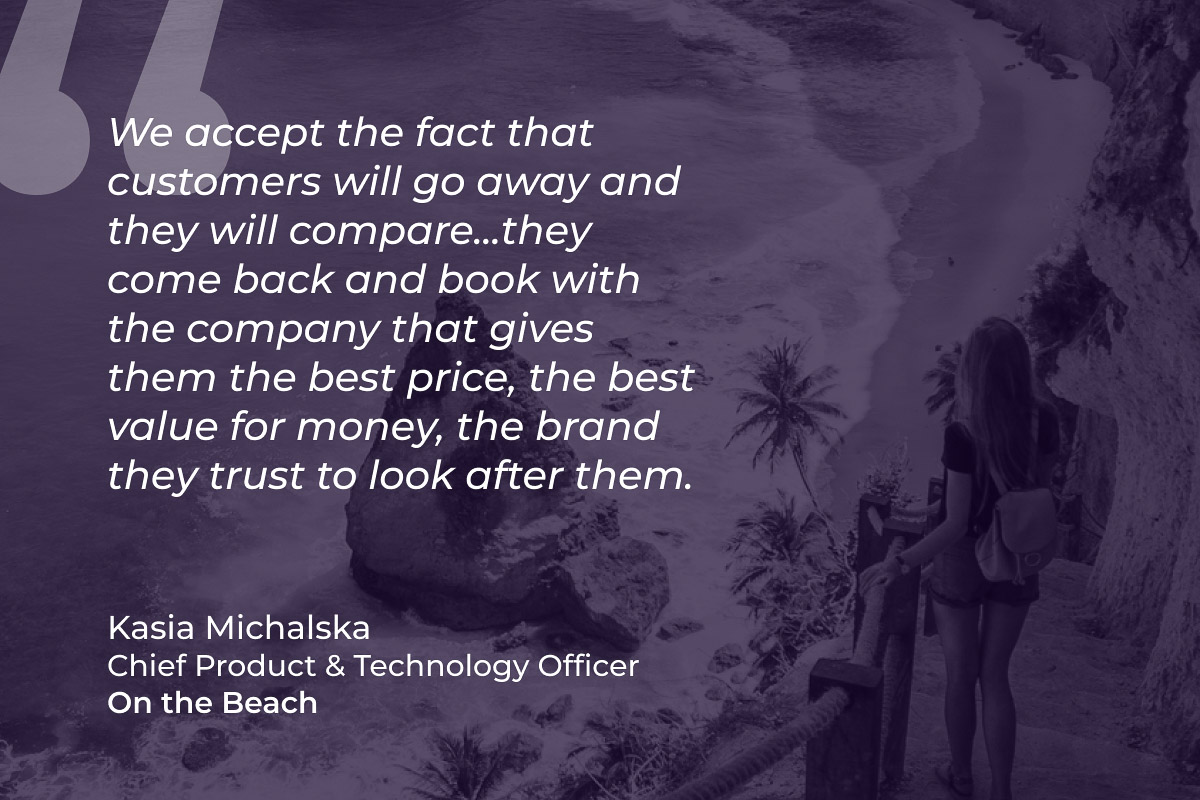
Travellers aren’t simply hunting for the cheapest option anymore; they’re looking for confidence in what they’re booking. Many are willing to pay more, but only if the value of what they’re getting is immediately understood.
Rich content, clear positioning, and easy comparison are now essential. If travellers have to work to understand why something is worth more, they won’t – they’ll default to price.
The shift? From cheapest option to the clearest and most attractive value proposition.
AI is becoming a gatekeeper in the discovery phase and is shaping what travellers see before they even reach your site.
However, AI doesn’t “understand” brands – it surfaces structured, credible, consistent information. Poorly structured content means reduced visibility in AI-driven journeys. Brands need content that serves customers and can be reliably interpreted by AI.
The shift? From ad-hoc content production to AI-ready content ecosystems.

Many travel brands are trying to layer AI and personalisation on top of systems that simply weren’t designed for it. The result is a fragmented experience with slow iteration and missed opportunities.
Legacy tech limits speed, experimentation, and integration, forcing teams into workarounds instead of focusing on innovation. This isn’t just a tech issue; it’s a growth constraint.
The shift? From patching systems to rearchitecting platforms.
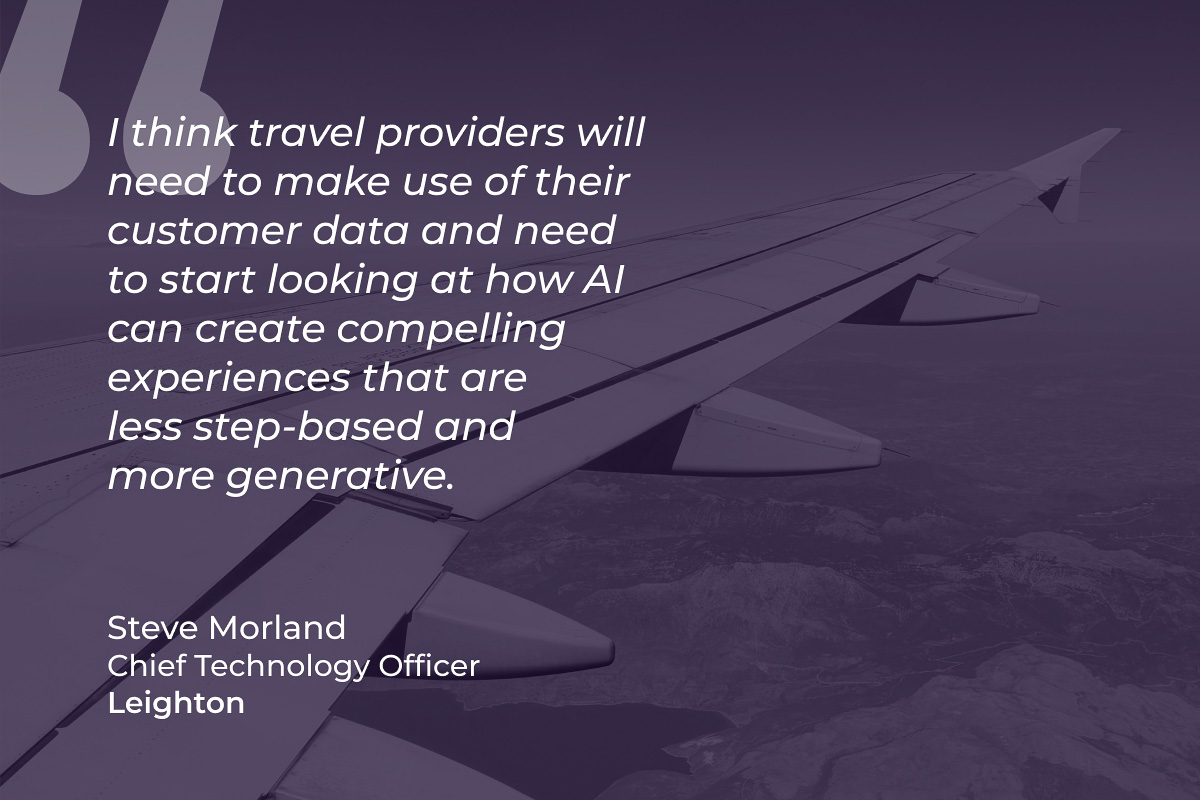
As discovery is increasingly mediated by AI and aggregators, your owned experience matters more than ever. More fragmented journeys mean the moments users spend on your site carry greater weight. UX/UI is now a critical differentiator.
Seamless journeys reduce drop-off between inspiration and booking, while a clear navigation and decision support can nurture visitors to conversion and build trust in the process.
Small friction points mean lost conversions, and while you can’t control where travellers start, you can control how easy it is to purchase with conversion still largely happening in owned platforms.
The shift? From functional design to UX/UI that supports frictionless decision-making.
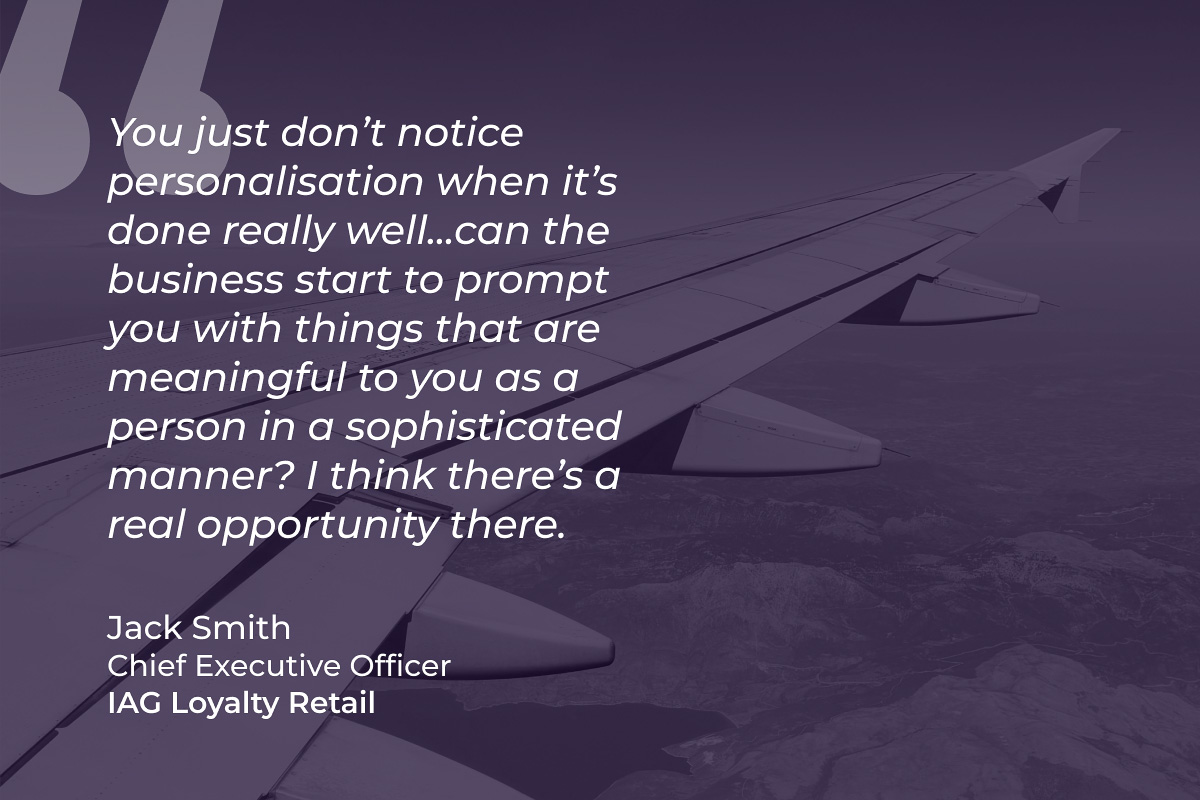
Most travel brands still treat booking as the end of the journey. In reality, it’s a high-value window of opportunity.
Post-booking is where personalisation can drive ancillary revenue, deepen engagement, and build long-term loyalty. Yet it remains underutilised.
The shift? From pre-booking focus to lifecycle personalisation.
The future of travel isn’t about adopting AI; it’s about operationalising it across the entire journey.
The brands that maximise the opportunity will:
Download the full report here.

The travel journey is being reshaped not just by AI, but by how brands operationalise it. The gap between inspiration and conversion is no longer about having the right tools; it’s about how effectively you remove friction, build trust, and deliver relevance at every stage of a customer’s engagement with you.
Here are the five trends redefining travel behaviour right now:
Travellers aren’t simply hunting for the cheapest option anymore; they’re looking for confidence in what they’re booking. Many are willing to pay more, but only if the value of what they’re getting is immediately understood.
Rich content, clear positioning, and easy comparison are now essential. If travellers have to work to understand why something is worth more, they won’t – they’ll default to price.
The shift? From cheapest option to the clearest and most attractive value proposition.
AI is becoming a gatekeeper in the discovery phase and is shaping what travellers see before they even reach your site.
However, AI doesn’t “understand” brands – it surfaces structured, credible, consistent information. Poorly structured content means reduced visibility in AI-driven journeys. Brands need content that serves customers and can be reliably interpreted by AI.
The shift? From ad-hoc content production to AI-ready content ecosystems.
Many travel brands are trying to layer AI and personalisation on top of systems that simply weren’t designed for it. The result is a fragmented experience with slow iteration and missed opportunities.
Legacy tech limits speed, experimentation, and integration, forcing teams into workarounds instead of focusing on innovation. This isn’t just a tech issue; it’s a growth constraint.
The shift? From patching systems to rearchitecting platforms.
As discovery is increasingly mediated by AI and aggregators, your owned experience matters more than ever. More fragmented journeys mean the moments users spend on your site carry greater weight. UX/UI is now a critical differentiator.
Seamless journeys reduce drop-off between inspiration and booking, while a clear navigation and decision support can nurture visitors to conversion and build trust in the process.
Small friction points mean lost conversions, and while you can’t control where travellers start, you can control how easy it is to purchase with conversion still largely happening in owned platforms.
The shift? From functional design to UX/UI that supports frictionless decision-making.
Most travel brands still treat booking as the end of the journey. In reality, it’s a high-value window of opportunity.
Post-booking is where personalisation can drive ancillary revenue, deepen engagement, and build long-term loyalty. Yet it remains underutilised.
The shift? From pre-booking focus to lifecycle personalisation.
The future of travel isn’t about adopting AI; it’s about operationalising it across the entire journey.
The brands that maximise the opportunity will:
Download the full report here.
The travel journey is being reshaped not just by AI, but by how brands operationalise it. The gap between inspiration and conversion is no longer about having the right tools; it’s about how effectively you remove friction, build trust, and deliver relevance at every stage of a customer’s engagement with you.
Here are the five trends redefining travel behaviour right now:
Travellers aren’t simply hunting for the cheapest option anymore; they’re looking for confidence in what they’re booking. Many are willing to pay more, but only if the value of what they’re getting is immediately understood.
Rich content, clear positioning, and easy comparison are now essential. If travellers have to work to understand why something is worth more, they won’t – they’ll default to price.
The shift? From cheapest option to the clearest and most attractive value proposition.
AI is becoming a gatekeeper in the discovery phase and is shaping what travellers see before they even reach your site.
However, AI doesn’t “understand” brands – it surfaces structured, credible, consistent information. Poorly structured content means reduced visibility in AI-driven journeys. Brands need content that serves customers and can be reliably interpreted by AI.
The shift? From ad-hoc content production to AI-ready content ecosystems.
Many travel brands are trying to layer AI and personalisation on top of systems that simply weren’t designed for it. The result is a fragmented experience with slow iteration and missed opportunities.
Legacy tech limits speed, experimentation, and integration, forcing teams into workarounds instead of focusing on innovation. This isn’t just a tech issue; it’s a growth constraint.
The shift? From patching systems to rearchitecting platforms.
As discovery is increasingly mediated by AI and aggregators, your owned experience matters more than ever. More fragmented journeys mean the moments users spend on your site carry greater weight. UX/UI is now a critical differentiator.
Seamless journeys reduce drop-off between inspiration and booking, while a clear navigation and decision support can nurture visitors to conversion and build trust in the process.
Small friction points mean lost conversions, and while you can’t control where travellers start, you can control how easy it is to purchase with conversion still largely happening in owned platforms.
The shift? From functional design to UX/UI that supports frictionless decision-making.
Most travel brands still treat booking as the end of the journey. In reality, it’s a high-value window of opportunity.
Post-booking is where personalisation can drive ancillary revenue, deepen engagement, and build long-term loyalty. Yet it remains underutilised.
The shift? From pre-booking focus to lifecycle personalisation.
The future of travel isn’t about adopting AI; it’s about operationalising it across the entire journey.
The brands that maximise the opportunity will:
Download the full report here.
The travel journey is being reshaped not just by AI, but by how brands operationalise it. The gap between inspiration and conversion is no longer about having the right tools; it’s about how effectively you remove friction, build trust, and deliver relevance at every stage of a customer’s engagement with you.
Here are the five trends redefining travel behaviour right now:
Travellers aren’t simply hunting for the cheapest option anymore; they’re looking for confidence in what they’re booking. Many are willing to pay more, but only if the value of what they’re getting is immediately understood.
Rich content, clear positioning, and easy comparison are now essential. If travellers have to work to understand why something is worth more, they won’t – they’ll default to price.
The shift? From cheapest option to the clearest and most attractive value proposition.
AI is becoming a gatekeeper in the discovery phase and is shaping what travellers see before they even reach your site.
However, AI doesn’t “understand” brands – it surfaces structured, credible, consistent information. Poorly structured content means reduced visibility in AI-driven journeys. Brands need content that serves customers and can be reliably interpreted by AI.
The shift? From ad-hoc content production to AI-ready content ecosystems.
Many travel brands are trying to layer AI and personalisation on top of systems that simply weren’t designed for it. The result is a fragmented experience with slow iteration and missed opportunities.
Legacy tech limits speed, experimentation, and integration, forcing teams into workarounds instead of focusing on innovation. This isn’t just a tech issue; it’s a growth constraint.
The shift? From patching systems to rearchitecting platforms.
As discovery is increasingly mediated by AI and aggregators, your owned experience matters more than ever. More fragmented journeys mean the moments users spend on your site carry greater weight. UX/UI is now a critical differentiator.
Seamless journeys reduce drop-off between inspiration and booking, while a clear navigation and decision support can nurture visitors to conversion and build trust in the process.
Small friction points mean lost conversions, and while you can’t control where travellers start, you can control how easy it is to purchase with conversion still largely happening in owned platforms.
The shift? From functional design to UX/UI that supports frictionless decision-making.
Most travel brands still treat booking as the end of the journey. In reality, it’s a high-value window of opportunity.
Post-booking is where personalisation can drive ancillary revenue, deepen engagement, and build long-term loyalty. Yet it remains underutilised.
The shift? From pre-booking focus to lifecycle personalisation.
The future of travel isn’t about adopting AI; it’s about operationalising it across the entire journey.
The brands that maximise the opportunity will:
Download the full report here.